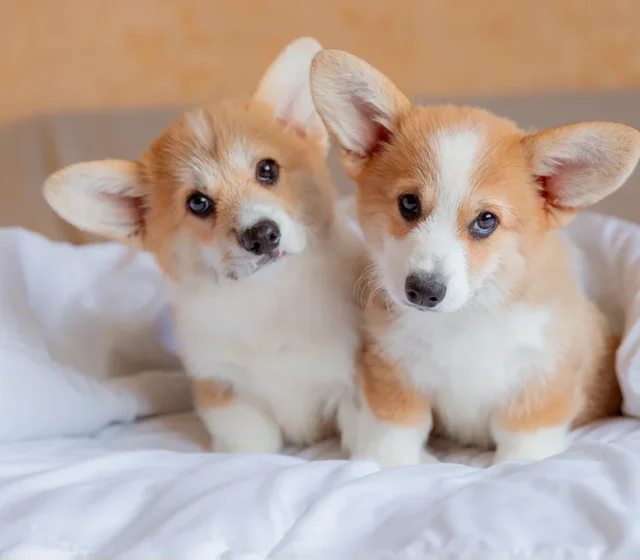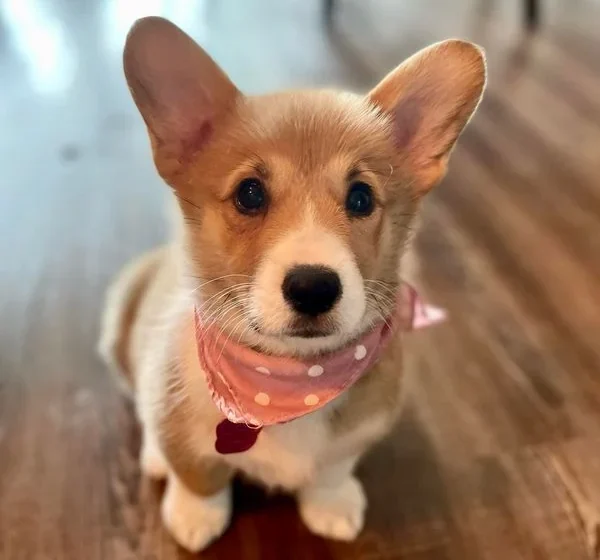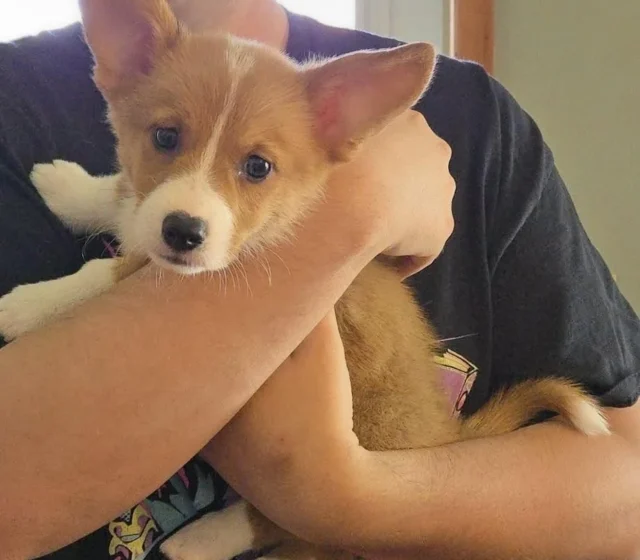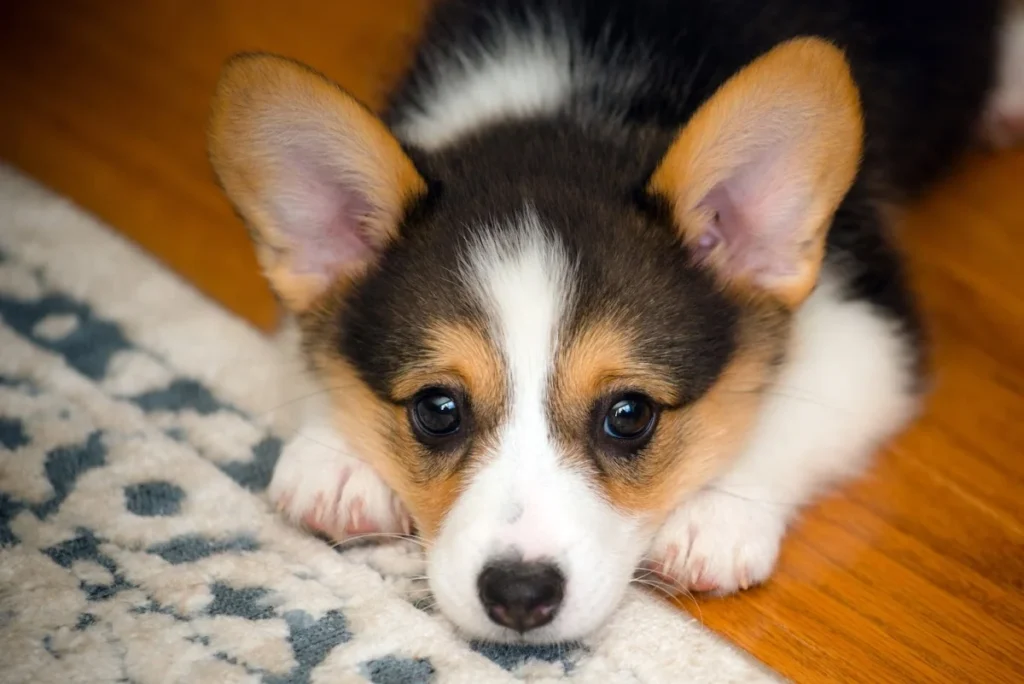
Bringing home a Corgi puppy is exciting. They’re playful, intelligent, affectionate, and full of personality. But before you can enjoy life with your new best friend, there’s one important milestone you’ll need to tackle: potty training.
The good news?
Corgis are one of the smartest dog breeds, which means they usually learn potty habits faster than many other puppies, provided you’re consistent.
If you’re wondering how to potty train a Corgi puppy, this guide walks you through everything you need to know, from the very first day to creating lifelong bathroom habits.
Why Potty Training Your Corgi Early Matters
Many new owners think potty training is simply teaching a puppy where to pee.
It’s actually much more than that.
Proper house training:
- Prevents accidents around the home
- Builds a daily routine
- Helps your puppy understand expectations
- Strengthens trust between you and your dog
- Reduces stress for both owner and puppy
The earlier you start, the easier the process becomes.
Ideally, begin potty training as soon as your Corgi arrives home, usually around 8 weeks of age.
Are Corgis Easy to Potty Train?
Yes.
Corgis are highly intelligent working dogs originally bred to herd cattle.
They naturally enjoy learning routines and responding to structure.
However, intelligence doesn’t mean instant success.
Like all puppies, Corgis:
- Have tiny bladders
- Need frequent bathroom breaks
- Get distracted easily
- Require consistency every day
Most Corgi puppies become reliably house trained between 4 and 6 months, although some may take longer depending on their personality and training consistency.
What You’ll Need Before You Start
Having the right supplies makes potty training much easier.
Prepare these before bringing your puppy home:
- A properly sized crate
- Puppy treats
- Enzyme cleaner for accidents
- Leash
- Poop bags
- Water bowl
- Puppy-safe cleaning supplies
Choose one designated potty area .
Using the same spot helps your puppy recognize familiar scents and understand where they’re expected to go.
Step 1: Create a Consistent Potty Schedule
Routine is everything.
Young puppies can’t hold their bladder for very long.
A simple rule is:
Puppies can usually hold their bladder for approximately one hour per month of age.
For example:
- 2-month-old puppy → about 2 hours
- 3-month-old puppy → about 3 hours
However, don’t wait until the maximum time.
Take your puppy outside:
- Immediately after waking up
- After eating
- After drinking lots of water
- After naps
- After playtime
- Before bedtime
- Every 1–2 hours during the day
The more opportunities your puppy has to succeed, the fewer accidents you’ll have indoors.
Step 2: Always Use the Same Potty Spot
Dogs rely heavily on scent.
Taking your puppy to the same location each time builds a strong association.
Walk your puppy directly to that spot and wait patiently.
Avoid letting them run around or play first.
The goal is:
Potty first.
Play afterward.
Step 3: Use a Potty Cue
Choose one short command.
Examples include:
- Go potty
- Do your business
- Go pee
- Bathroom
Say the phrase calmly while your puppy is relieving themselves.
Over time, they’ll associate the command with the action.
Eventually, your Corgi may potty on command when you use the cue.
Step 4: Reward Immediately
Timing matters.
The reward should happen within a few seconds after your puppy finishes.
Give:
- A tasty treat
- Verbal praise
- Gentle affection
For example:
“Good potty!”
Then reward immediately.
If you wait until you’re back inside, your puppy may not understand why they’re receiving the treat.
Step 5: Supervise Indoors
Until your puppy is fully potty trained, assume they need supervision.
Watch for common signs:
- Sniffing the floor
- Walking in circles
- Squatting
- Suddenly wandering away
- Whining
- Heading toward a corner
The moment you notice these behaviors:
Quickly take your puppy .
Every successful trip reinforces good habits.
Step 5: Supervise Indoors
Until your puppy is fully potty trained, assume they need supervision.
Watch for common signs:
- Sniffing the floor
- Walking in circles
- Squatting
- Suddenly wandering away
- Whining
- Heading toward a corner
The moment you notice these behaviors:
Quickly take your puppy .
Every successful trip reinforces good habits.
Step 6: Use Crate Training
Crate training is one of the fastest ways to potty train a Corgi.
Dogs naturally avoid soiling their sleeping area.
Choose a crate that’s just large enough for your puppy to:
- Stand
- Turn around
- Lie comfortably
If the crate is too large, your puppy may use one corner as a bathroom.
Remember:
A crate is never punishment.
It should feel like a safe, comfortable den.
Step 7: Feed on a Schedule
Free-feeding makes potty timing unpredictable.
Instead:
Feed meals at consistent times every day.
Most young puppies eat:
- Morning
- Afternoon
- Evening
Regular meals lead to regular bathroom breaks, making accidents easier to prevent.
Sample Potty Training Schedule
Here’s an example routine for an 8–10 week old Corgi puppy.
| Time | Activity |
|---|---|
| 7:00 AM | Wake up and potty |
| 7:15 AM | Breakfast |
| 7:30 AM | Potty |
| 9:00 AM | Potty |
| 10:30 AM | Potty |
| Noon | Lunch |
| 12:20 PM | Potty |
| Afternoon | Potty every 1–2 hours |
| Dinner | Evening meal |
| After dinner | Potty |
| Before bed | Final potty trip |
Adjust the schedule as your puppy grows.
How Long Does Potty Training Take?
Every puppy learns differently.
Typical timeline:
8–12 Weeks
- Frequent accidents
- Learning the routine
3–4 Months
- Fewer indoor accidents
- Starts signaling when they need to go
4–6 Months
- Most Corgis become reliably house trained
Some puppies may need additional time, especially if routines are inconsistent.
What to Do When Accidents Happen
Accidents are normal.
Never:
- Yell
- Hit
- Rub your puppy’s nose in the mess
These outdated methods only create fear.
Instead:
If you catch your puppy in the act:
- Calmly interrupt.
- Take them outside immediately.
- Reward if they finish outdoors.
If you discover the accident later:
Simply clean it thoroughly using an enzyme cleaner.
Your puppy won’t connect delayed punishment with the accident.
Common Potty Training Mistakes
Avoid these common errors.
Inconsistent Schedule
Skipping potty breaks confuses your puppy.
Consistency builds habits.
Waiting Too Long
Young puppies cannot hold their bladder for extended periods.
Frequent trips outside are essential.
Too Much Freedom
Allowing your puppy to roam the entire house too soon often leads to accidents.
Limit access until they’re reliable.
Rewarding Too Late
Treats should come immediately after your puppy finishes .
Not Cleaning Accidents Properly
Regular cleaners often leave scent markers.
Dogs may continue using the same area.
Always use an enzyme-based cleaner.
Should You Use Puppy Pads?
Puppy pads can help in certain situations, such as:
- Apartment living
- Severe weather
- Owners who cannot take puppies outside frequently
However, if your goal is outdoor potty training, relying on pads for too long can delay the transition.
If possible, focus on teaching your puppy to eliminate outdoors from the beginning.
When Can a Corgi Hold Their Bladder All Night?
Many puppies begin sleeping through the night around 4 to 5 months, but every dog is different.
Some younger puppies may still need one nighttime bathroom break.
To help:
- Remove water 1–2 hours before bedtime (while ensuring they stay well hydrated during the day).
- Take your puppy outside immediately before bed.
- Keep nighttime potty trips calm and quiet—no playtime.
Signs Your Corgi Is Fully Potty Trained
Your puppy is likely house trained when they:
- Go several weeks without accidents
- Wait by the door when they need to go out
- Follow a predictable bathroom schedule
- Stay dry through the night
- Can roam indoors without frequent supervision
Even after reaching this stage, continue reinforcing good habits with praise.
Frequently Asked Questions
At what age should I start potty training my Corgi puppy?
Start as soon as you bring your puppy home, usually around 8 weeks old.
How often should I take my Corgi puppy ?
Young puppies generally need to go outside every 1–2 hours, plus after sleeping, eating, drinking, and playing.
Why does my Corgi keep having accidents?
Common reasons include:
- Inconsistent routine
- Too much freedom indoors
- Missed potty breaks
- Excitement
- Medical issues such as urinary tract infections (if accidents suddenly increase)
If accidents continue despite consistent training, consult your veterinarian.
Should I punish my puppy for accidents?
No.
Punishment often creates fear and confusion.
Positive reinforcement is far more effective and helps build trust.
Is crate training necessary?
It’s not mandatory, but it is one of the most effective tools for speeding up potty training while keeping your puppy safe.
Conclusion
Potty training a Corgi puppy isn’t about perfection, it’s about consistency.
Your puppy won’t learn overnight, but with patience, routine, and positive reinforcement, they’ll quickly understand where and when to go.
Celebrate the small wins, stay calm during accidents, and remember that every successful trip outside is another step toward a fully house-trained companion.
With a little time and consistency, your Corgi will develop reliable bathroom habits that last a lifetime.
If you are looking to buy a corgi puppy for your home, you can checkout available corgi puppies on our website.
Find the Corgi who fits your life.
Preparing for a Corgi puppy? Put the advice into a practical daily routine, then ask about the individual puppy you are considering.
Explore our Pembroke Welsh Corgi puppies for sale, read the puppy purchase process and ask about your preferred Corgi puppy.
For independent breed background, read the American Kennel Club’s Pembroke Welsh Corgi guide alongside the individual puppy information.
For an individual introduction, view Maggi’s Corgi puppy profile and compare the listed details before sending an inquiry.