Key takeaways
- The best Pembroke Welsh Corgi breeders screen hips and eyes and run DNA tests for DM, vWD, and PRA, following the Pembroke Welsh Corgi Club of America Code of Ethics.
- A reputable breeder socializes puppies during the critical window of 3 to 14 weeks, when sociability outweighs fear (AVSAB).
- The Pembroke Welsh Corgi ranked #16 in AKC popularity for 2025, so demand is high and vetting breeders carefully matters more than ever.
- Good breeders welcome hard questions, show health records, and offer lifelong support instead of pressuring you to pay fast.
- Compare at least two or three breeders side by side on health proof, transparency, and contract terms before you reserve a puppy.
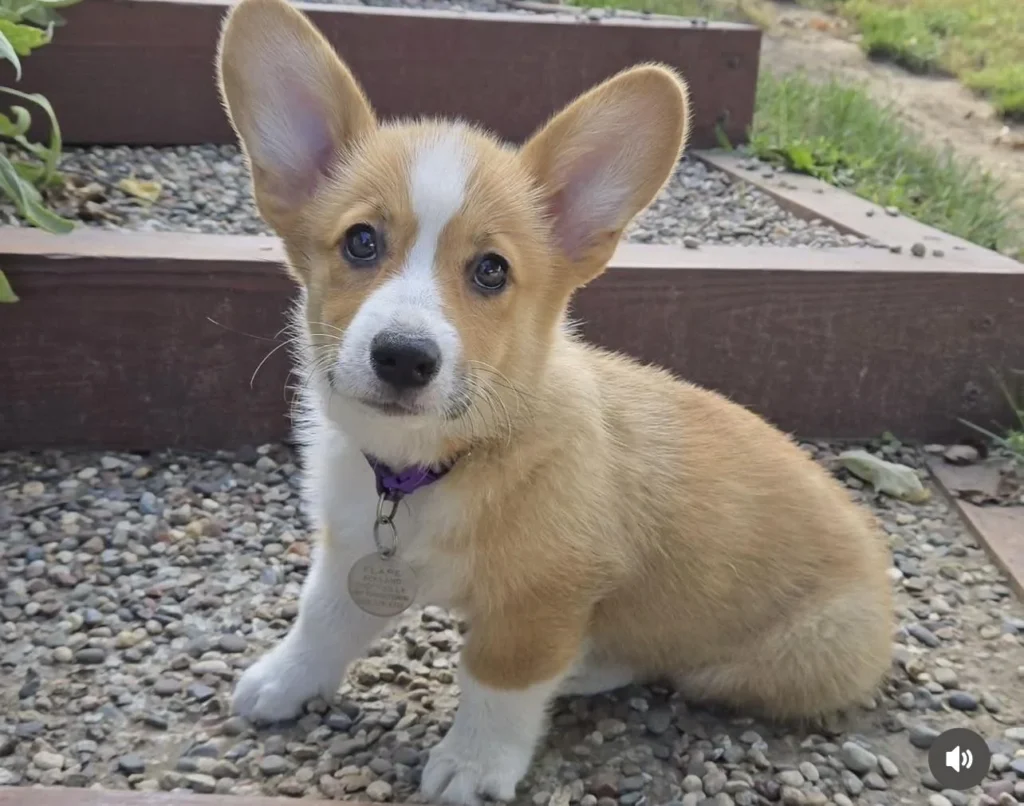
The best Pembroke Welsh Corgi breeders prove their puppies are healthy, raise them inside a home, and stand behind every dog for life. To pick the right one, look for documented health testing, honest answers to tough questions, and a breeder who cares more about where the puppy lands than how fast it sells.
Pembroke Welsh Corgi breeders are easy to find and hard to judge. The breed ranked #16 among all AKC breeds in 2025, down from #11 in 2023 (American Kennel Club, 2025). High demand pulls in careful family breeders and careless volume sellers alike. This guide gives you a clear, practical way to tell them apart so you bring home a sound, well-adjusted puppy.
We raise Pembroke Welsh Corgi puppies in our own home at Roswell Corgi Puppies, so the advice below reflects what we actually do and what we wish every buyer knew before they reached out.
What Separates Top Pembroke Welsh Corgi Breeders
Top Pembroke Welsh Corgi breeders share three habits: they test for health, they raise puppies in a home, and they support owners for the dog's whole life. The breed's strong popularity means plenty of sellers exist, so volume alone tells you nothing about quality. What you need is a way to read the signals that separate a careful breeder from a careless one.
A strong breeder treats each litter as a responsibility, not inventory. You will see clean living spaces, puppies comfortable around people, and a parent dog or two on site. The breeder knows each puppy's personality and matches pups to homes rather than taking the first deposit that clears.
Here is what a top breeder looks like in practice:
- Raises puppies in the home, not an outbuilding or kennel row
- Shows you written health records and genetic test results
- Vaccinates, deworms, and vet-checks every puppy before it leaves
- Asks you questions about your home, schedule, and experience
- Offers a health guarantee and stays reachable after you take the puppy home
At Roswell Corgi Puppies, every pup is vet-checked, vaccinated, dewormed, and socialized before going home around 8 weeks, with lifelong owner support baked into the deal. That combination of health care and after-sale support is the baseline you should expect from any breeder worth your deposit.
Registration and Health Testing to Expect
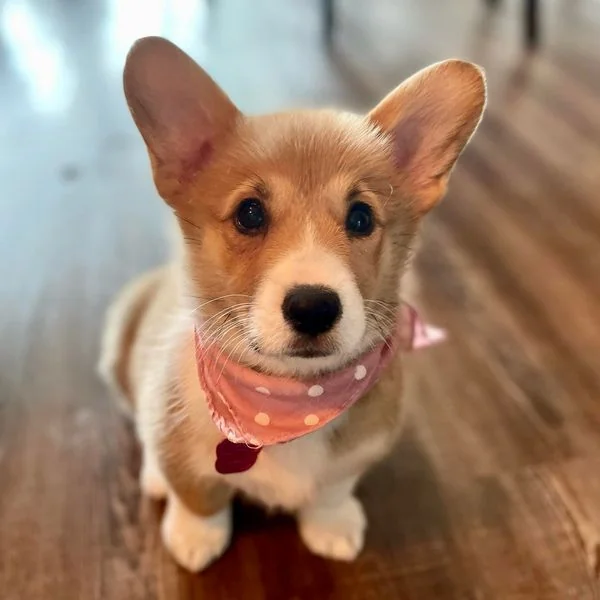
A reputable Pembroke Welsh Corgi breeder screens hips, certifies eyes, and runs DNA tests for the breed's known genetic diseases. The Pembroke Welsh Corgi Club of America Code of Ethics asks breeders to screen hips through OFA or PennHIP, have eyes certified clear by a veterinary ophthalmologist, and DNA test for degenerative myelopathy, von Willebrand disease, and progressive retinal atrophy.
Registration matters too, but it is the floor, not the ceiling. AKC papers confirm a puppy's pedigree. They do not promise health. A puppy can be fully registered and still come from parents who were never screened for hip or eye disease. Ask for both: the registration and the proof of testing.
Corgis are a long-backed breed, so hip and spine health carry real weight. Eye disease and degenerative myelopathy also run in some lines, which is exactly why the genetic panel exists. A breeder who tests parents reduces the odds that these problems reach your puppy.
When you review documents, look for these specifics:
- OFA or PennHIP results for both parents
- A recent eye exam from a board-certified veterinary ophthalmologist
- DNA results for DM, vWD, and PRA
- AKC or comparable registration papers for the litter
- A written health guarantee that spells out what is covered
Transparency here is the whole point. A breeder who hands over records without being chased is telling you something good. If a seller cannot or will not produce test results, treat that silence as an answer and move on.
Socialization Practices That Matter
Early socialization is one of the strongest predictors of a stable adult Corgi, and the best breeders do most of the work before you ever pick up your puppy. The critical socialization window runs from roughly 3 to 14 weeks of age, when sociability outweighs fear and puppies accept new people, animals, and experiences most readily (American Veterinary Society of Animal Behavior, 2026).
That timeline overlaps almost entirely with the weeks a puppy spends with its breeder. A puppy that goes home around 8 weeks has already lived through more than half of this window under the breeder's roof. What happened during those weeks shapes how your dog handles doorbells, car rides, kids, and vet visits for years.
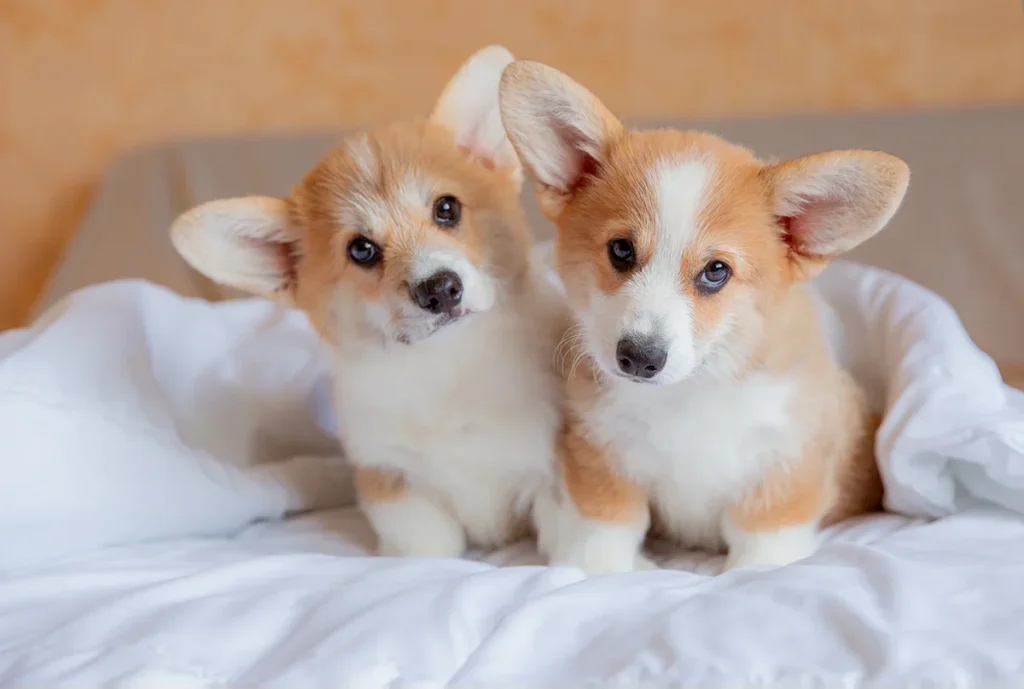
So what should good socialization look like? Ask the breeder to describe a puppy's typical day. You want to hear about gentle handling from birth, exposure to household sounds, meeting different people, and short, positive new experiences. Puppies raised in a home absorb all of this naturally, which is one reason family breeding beats a kennel setup.
Signs a breeder socializes well:
- Puppies approach visitors instead of cowering
- The breeder handles every body part so nail trims and vet exams go smoothly later
- Pups have met household noises, surfaces, and gentle children
- The breeder can describe each puppy's temperament in detail
When we talk with families at Roswell Corgi Puppies, we often find the socialization story tells them more than any photo. A breeder who cannot describe how puppies spend their days probably is not doing the work.
Questions That Reveal a Breeder's Quality
The fastest way to judge a Pembroke Welsh Corgi breeder is to ask pointed questions and listen to how they answer. A quality breeder welcomes scrutiny because their practices hold up. Behavior problems rooted in poor early handling are a major reason young dogs lose their homes, so a breeder's honesty about socialization matters as much as any health record.
A good breeder answers plainly, shows paperwork, and asks you questions right back. A seller who dodges, rushes, or gets defensive is waving a red flag. You are about to spend a decade or more with this dog, so a few uncomfortable questions are more than fair.
Bring this list to your first real conversation:
- Can I see the health testing results for both parents?
- May I meet the mother and see where the puppies are raised?
- What vaccinations, deworming, and vet checks has the puppy had?
- How do you socialize your puppies day to day?
- What does your health guarantee cover, and for how long?
- Will you take the dog back if I ever cannot keep it?
- Can you share references from past puppy buyers?
Listen for specifics. Vague answers, pressure to pay a deposit immediately, or a refusal to let you visit all suggest you should keep looking. A breeder who asks about your fenced yard, your work schedule, and your kids is screening for a good home, which is exactly what you want to see.
Comparing Breeders Before You Commit
Never commit to the first breeder you like. Lining up two or three side by side turns a gut feeling into a real decision. Because the Pembroke remains a sought-after breed, you will usually have options, and comparing them protects you from paying for hype instead of health.
Build a simple scorecard. Score each breeder on health proof, transparency, socialization, contract terms, and communication. The breeder who ranks highest across all five, not just the one with the cutest photos or lowest price, is usually the safest choice.

Weigh these factors for each candidate:
- Health proof: Did they show OFA or PennHIP hips, eye certs, and DNA panels?
- Transparency: Did records come freely, or did you have to pry?
- Socialization: Can they describe daily puppy life in detail?
- Contract: Is there a written guarantee and a take-back clause?
- Support: Will they answer calls after the puppy goes home?
Price belongs on the list, but near the bottom. A healthy, well-raised Corgi usually starts around $800 to $850 with a responsible breeder, and a bargain that skips health testing often costs far more in vet bills later. If a deal looks too cheap to be real, our breakdown of Corgi puppies for sale under $300 and the real cost explains where the hidden expenses hide.
Once you have compared your options, trust the scorecard. The best Pembroke Welsh Corgi breeders will look strong in every column, answer every question, and feel like partners rather than sellers.
Ready to take the next step? Reach out to us at Roswell Corgi Puppies to ask about available litters, review our health testing, and talk through whether a Corgi fits your home. We will answer your questions honestly, help you reserve the right puppy, and stay in your corner long after your pup settles . Bring your scorecard, bring your toughest questions, and let's find you a healthy companion for the years ahead.
Frequently asked questions
What health tests should a Pembroke Welsh Corgi breeder do?
A responsible breeder screens hips through OFA or PennHIP, has eyes examined by a veterinary ophthalmologist, and runs DNA tests for degenerative myelopathy, von Willebrand disease, and progressive retinal atrophy, as the Pembroke Welsh Corgi Club of America recommends.
At what age should a Corgi puppy go home?
Most reputable breeders send puppies home around 8 weeks of age. By then a puppy has had early socialization, a first vaccination, deworming, and a vet check, while still landing inside the critical socialization window.
How can I tell a good Corgi breeder from a puppy mill?
Good breeders raise puppies in the home, show you health records and genetic testing, ask you questions, and offer ongoing support. Puppy mills push fast sales, avoid questions, and rarely provide verifiable health documentation.
Are Pembroke Welsh Corgis good family dogs?
Yes. Pembroke Welsh Corgis are affectionate, smart, and loyal, which makes them strong family companions. Early socialization and training help them settle well with children and other pets.
Should I reserve a Corgi puppy before it is born?
Many quality breeders keep waitlists and let you reserve a puppy from a planned or current litter. Reserving is fine once you have verified the breeder's health testing, references, and contract terms.
Find the Corgi who fits your life.
Turn your research into an informed choice. Compare individual puppies, ask about their needs and review the written purchase terms before reserving.
Explore our Pembroke Welsh Corgi puppies for sale, read the puppy purchase process and ask about your preferred Corgi puppy.
For independent breed background, read the American Kennel Club’s Pembroke Welsh Corgi guide alongside the individual puppy information.
For an individual introduction, view Daisy’s Corgi puppy profile and compare the listed details before sending an inquiry.