Key takeaways
- A fluffy corgi’s long coat comes from two copies of a recessive mutation in the FGF5 gene, confirmed by the UC Davis Veterinary Genetics Laboratory.
- The Pembroke Welsh Corgi breed standard lists the fluffy coat as a very serious fault, so fluffies are sold as loving pets rather than show dogs.
- Coat length does not change temperament or health, and fluffies still make devoted, playful family companions.
- The longer feathering tangles easily, so plan on brushing several times a week and daily during heavy shedding.
- Buy from a transparent breeder who shares vet records and explains that fluffy puppies are pet-quality, not a rare upgrade.
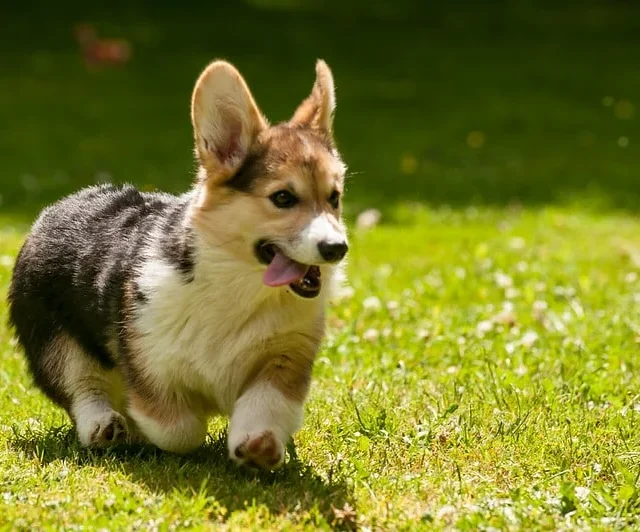
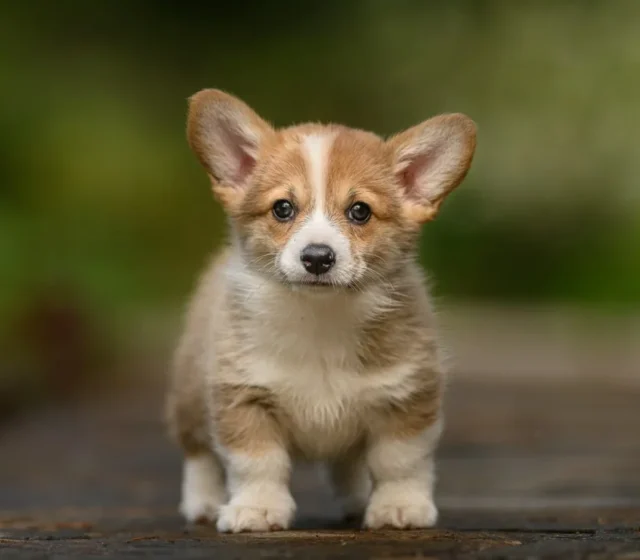
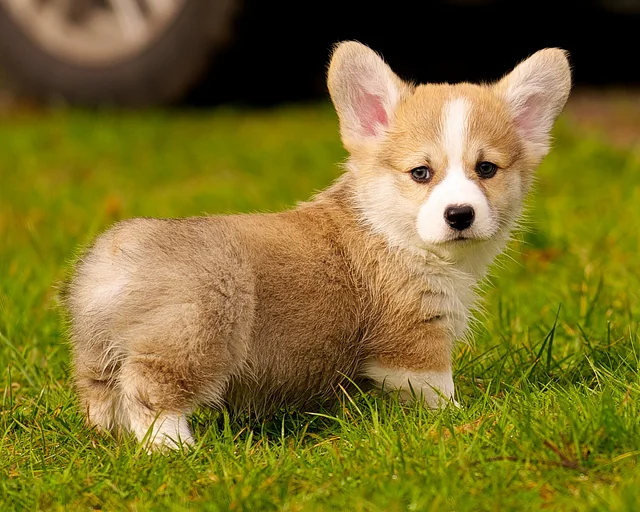
A fluffy corgi is simply a Pembroke Welsh Corgi with an extra-long coat, and that softness comes down to one recessive gene rather than any special breeding trick. If you are shopping for fluffy corgi puppies for sale, the most useful thing to know is that these dogs are the same beloved breed you already love, just with more hair to brush. We raise Pembrokes in our home, so we want you to buy with clear eyes: what causes the coat, how to care for it, and how to spot an honest seller.
This guide walks through the genetics, the grooming, the show-versus-pet question, and the buying steps. By the end you will know exactly what you are getting and what to ask before you reserve.
What Causes the Fluffy Coat in Pembroke Corgis?
The fluffy coat comes from two copies of a recessive mutation in the FGF5 gene, the same long-hair gene the UC Davis Veterinary Genetics Laboratory identifies across many dog breeds (UC Davis Veterinary Genetics Laboratory, retrieved 2026-09-25). A puppy needs both parents to pass along that variant to grow the long coat.
Because the gene is recessive, two standard-coated corgis can still produce a fluffy pup if both carry a hidden copy. That is why fluffies sometimes surprise a litter. Nothing went wrong. The parents simply both carried the trait.
Here is what that means in plain terms:
- One copy of the gene: standard coat, but the dog is a carrier.
- Two copies: a true fluffy with the longer, softer coat.
- No copies: standard coat, not a carrier.
So a fluffy is not rare in the exotic sense. It is a natural, well-understood outcome of ordinary corgi genetics. Any breeder who markets fluffies as a rare designer variety is stretching the truth. 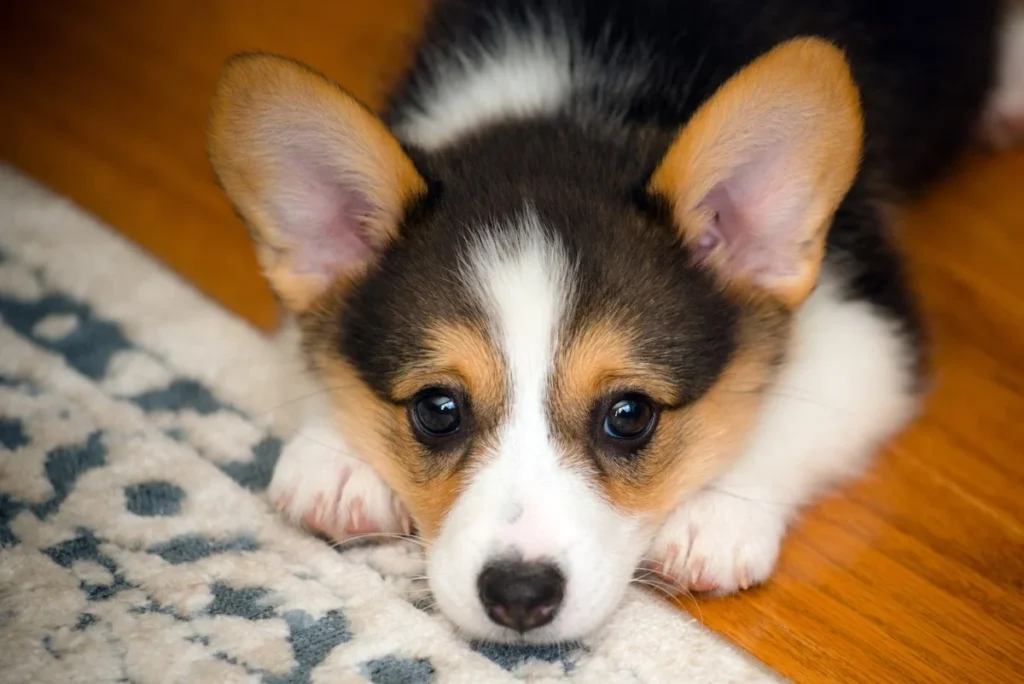
Grooming Needs for Fluffy Corgi Puppies
Fluffy corgis need more frequent brushing than their standard-coated littermates because the longer feathering on the ears, chest, legs, and rear tangles far more easily. Both coat types are double coats that shed year-round, so the difference is not how much hair falls out. It is how much that hair mats before you catch it.
Plan on brushing several times a week, and daily during the heavy spring and fall shedding seasons. A slicker brush plus an undercoat rake works well. Pay special attention to the soft feathering behind the ears and between the legs, where mats form first.
A few practical habits keep a long-coated corgi comfortable:
- Brush before baths so tangles do not tighten when wet.
- Trim the fur between the paw pads to prevent slipping and debris buildup.
- Check the “trousers” on the back legs after muddy walks.
- Never shave a double coat, since it can damage how the coat regrows and regulates temperature.
Start these routines while the puppy is young. A corgi that learns to enjoy grooming at eight weeks becomes an easy adult to maintain.
Are Fluffies Show-Quality or Pet-Only?
Fluffy corgis are sold as pets rather than show dogs because the breed standard lists the long coat as a very serious fault. The Pembroke Welsh Corgi Club of America defines the fluffy as “a coat of extreme length with exaggerated feathering,” and notes that trimming it does not make the coat acceptable for the conformation ring (Pembroke Welsh Corgi Club of America, retrieved 2026-09-25).
That sounds harsh, but it is purely cosmetic. The standard describes the ideal look for the show ring, and it says nothing about health or personality. A fluffy corgi has the same herding drive, the same big-dog attitude in a small frame, and the same affectionate nature as any Pembroke.
Fluffies can also still shine in performance events. Agility, herding trials, obedience, and rally welcome them, because those sports judge what a dog can do rather than how its coat looks. For a family that wants a companion and a playmate, the fluffy fault simply does not matter.
How to Find Fluffy Corgi Puppies from a Breeder
The safest way to find fluffy corgi puppies for sale is to work with a transparent breeder who shows vet records, explains the genetics honestly, and prices fluffies as pet-quality dogs. Because the coat is a recessive trait rather than a rare upgrade, a fair seller will not tack on a premium for it.
Ask direct questions before you commit:
- Are the puppies vet-checked, vaccinated, and dewormed before they go home?
- Can I see photos or video of the parents and the home they are raised ?
- Is this puppy confirmed fluffy by DNA test, or by its early coat?
- Do you offer ongoing support after I bring the puppy home?
At Roswellcorgipuppies, our Pembroke puppies are raised underfoot in a family home, vet-checked, vaccinated, dewormed, and socialized before going to their new families around eight weeks old, with health as the first priority. That home-raised start matters as much for a fluffy as for any corgi. If you want a broader checklist for evaluating any seller, our guide on what to look for in a Welsh Corgi breeder walks through the questions worth asking.
Avoid anyone who cannot answer basic health questions, refuses to show the living conditions, or pressures you to pay a deposit sight unseen. Honesty about the fluffy fault is actually a green flag: it means the breeder respects the standard and respects you.
Care Tips for a Long-Coated Corgi
Beyond grooming, a long-coated corgi thrives on the same foundations that keep any Pembroke healthy: steady exercise, a watchful eye on weight, and early training. Corgis are smart, food-motivated herders, so their bodies and minds both need a job.
A few tips tailored to the fluffy coat and the breed:
- Keep meals measured. Corgis gain weight easily, and extra pounds strain their long backs.
- Protect the spine. Discourage repeated jumping off couches and use ramps where you can.
- Dry the coat fully after baths or wet walks so damp feathering does not irritate the skin.
- Watch the ears. The extra fur can trap moisture, so check and clean them regularly.
- Start socialization early, exposing the puppy to new people, sounds, and gentle handling.
Corgis are known as sturdy, cheerful companions that commonly live around 12 to 13 years, according to breed-care resources citing AKC estimates. A fluffy shares that same long, happy timeline, because coat length has nothing to do with health or lifespan. It is a cosmetic trait sitting on top of a hardy, well-built little dog.
The coat asks for a little more brushing, and in return you get a companion that looks like a plush toy and loves like a shadow. Fluffies tend to draw a crowd on walks, so be ready for questions from admiring strangers. If you are weighing a fluffy against a standard-coated pup, remember that both are the same breed at heart. The choice comes down to how much grooming time you enjoy and which coat makes you smile.
Ready to meet a fluffy of your own? Reach out to us at Roswellcorgipuppies to ask about current and upcoming litters, coat testing, and safe delivery options. We will help you choose the right puppy honestly, and we stay in your corner long after your corgi comes home.
Frequently asked questions
Are fluffy corgis a separate breed?
No. A fluffy corgi is a normal Pembroke Welsh Corgi that inherited two copies of a recessive long-hair gene. It is the same breed with a longer, softer coat.
Are fluffy corgi puppies more expensive?
They should not carry a rare-breed premium. A fluffy coat is a natural genetic outcome, not a designer trait, so honest breeders price them like any pet-quality Pembroke.
Do fluffy corgis shed more than standard corgis?
They shed a similar amount because both have a double coat. The longer hair simply shows more and tangles faster, so it needs more frequent brushing to stay comfortable.
Can a fluffy corgi compete in dog shows?
Not in the conformation ring, since the breed standard calls the long coat a very serious fault. Fluffies can still compete in agility, herding, and other performance events.
How do I know if a puppy will be fluffy?
A DNA test for the long-hair gene confirms it, and by around six to eight weeks the longer, softer feathering on the ears, legs, and chest usually becomes visible.
Browse our currently listed Pembroke Welsh Corgi puppies to review individual photographs and details. Contact us to confirm coat characteristics and availability rather than assuming a fluffy puppy is currently listed.
Find the Corgi who fits your life.
Turn your research into an informed choice. Compare individual puppies, ask about their needs and review the written purchase terms before reserving.
Explore our Pembroke Welsh Corgi puppies for sale, read the puppy purchase process and ask about your preferred Corgi puppy.
For independent breed background, read the American Kennel Club’s Pembroke Welsh Corgi guide alongside the individual puppy information.
For an individual introduction, view Leo’s Corgi puppy profile and compare the listed details before sending an inquiry.